Tag: Technology
-

Digital Identities: The Online Circulation of Bodo VCD films and Music Videos
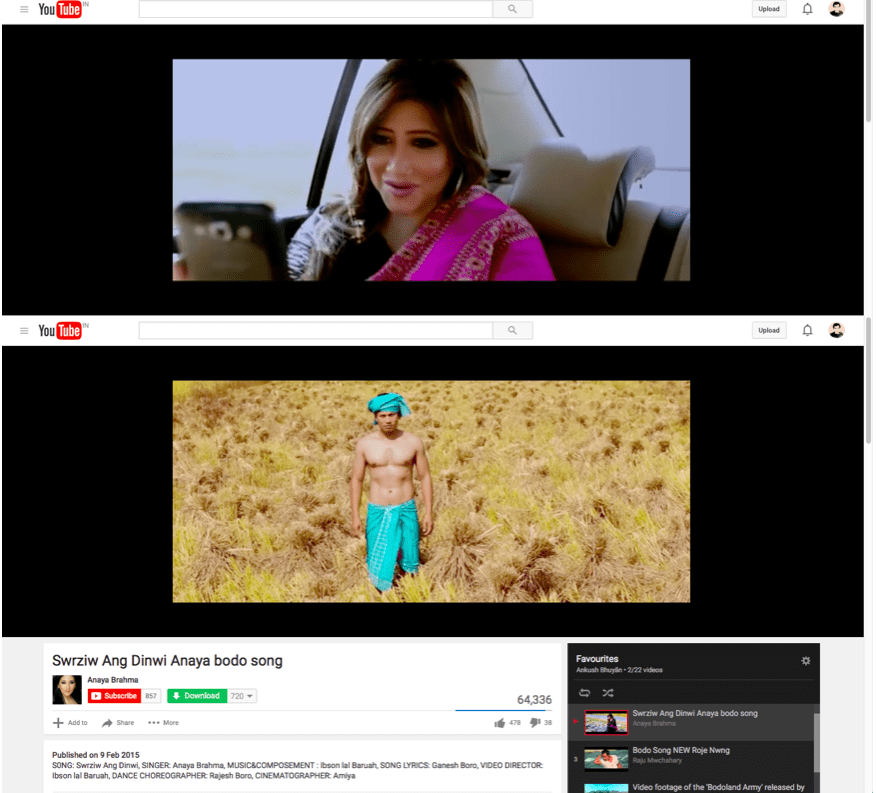
The demand for Bodoland, a separate state from Assam, has garnered national attention in the last few decades because of the violence and insurgency that has ensued in its wake. In recent times, the Bodo agitation has become an important component in the political discourse of Assam, and remains a complex and emotive issue.[1] There has been considerable focus within the Bodo community on this issue that is linked with questions of identity, culture and language. Additionally in the last two decades, there has been an emergence of locally made low-budget productions due to the availability of affordable digital technology…
-

10 Rs Recharge: Incrementality in Digital Consumption within Informal Urban Settlements
Though bereft of basic facilities such as sewage system or water supply, informal settlements in Indian cities have been rapidly permeated by networks of digital technology and media infrastructures. The highest internet usage here is through mobile phones – enabled by the rapid penetration of low-cost smartphones and low tariffs.[1] The digital consumption in terms of data recharge or offline media purchases is largely incremental with daily recharges of Rs 10 – 30 instead of larger amounts over longer periods. This incremental nature of digital consumption is inherent to informality…
-

A Practice Perspective on Technologies Used in Transportation Studies: Introduction
In this post, Onkar Hoysala, one of the researchers who received the Social Media Research grant for 2016, introduces his proposed work.
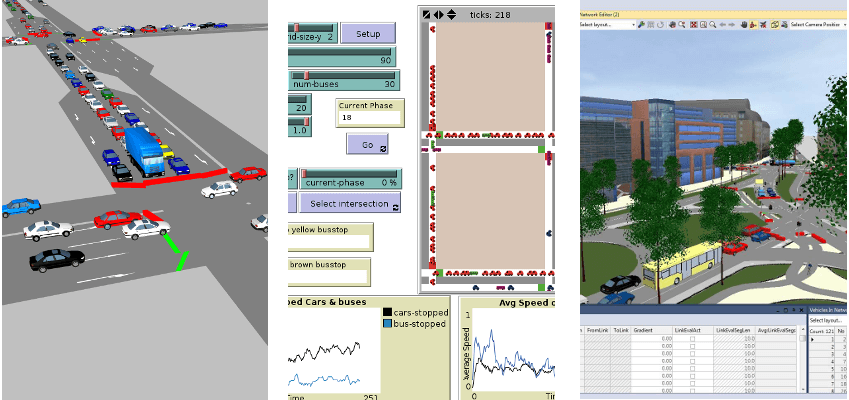
The significance of the transport sector in increasing productivity, reducing poverty and help achieve sustainable development goals, especially in rapidly urbanising areas, is well recognised (Asian Development Bank, n.d.; World Bank, 2014). Globally, there has been a push towards using computational methods and tools to help address issues in transportation, with international bodies such as the World Bank and Asian Development Bank pushing towards the use of technology and data management in helping…
-

Short Term Research Projects in Social Media: Selected Proposals 2016
The Sarai Programme is committed to developing a public architecture for creating knowledge and creative communities. In keeping with this commitment, we seek to develop a community of scholars, writers and practitioners who are motivated to make the materials and outcome of research available for public access and circulation, with the understanding that an imaginative…
-

The Act of Media: Workshop on Law, Media and Technology
The Sarai Programme, Centre for the Study of Developing Societies is organising The Act of Media workshop on 8th to 10th January 2016. The workshop examines how media-enabled subjectivities produce new sites of departure in the law. The shift from theatre to cinema; cinema to video; and video to satellite television have been productive sites…
-
Social Media Research Workshop, November 06, 2015
Since March this year, short-term research fellows have been involved with The Sarai Programme, on themes that relate to digital and social media. On Friday, 6th November 2015, we are organising a workshop for the fellows to present and discuss their research with a select group of discussants. The workshop will be held at the…
-
Making a Classification Choice for the Internet: Between the Visible Car Parts and the Invisible Pizza Delivery
This is the fourth and final research note from Smarika Kumar, one of the short-term social media research fellows at The Sarai Programme.
In the last post, I discussed the role classification plays in locating the internet as a subject of law. I reflected on how two very different, yet competing identities: an identity upon function, and an identity upon means, have been framed for the internet in the debate around Voice over Internet Protocol (VoIP) regulation in India. Once these competing identities have been framed, the question that looms is how law negotiates between the two? This post attempts to reflect on this question.
-

Khabar Lahariya’s Online Foray: Successes and Failures
This is the fourth and final research note from Mrinalika Roy, one of the short-term social media research fellows at The Sarai Programme.
More and more NGOs are joining the online bandwagon. I have mentioned the pros and cons of NGOs going online and the organisations helping them in this endeavour, in my earlier posts. Here, I look at how far going online helped Khabar Lahariya and whether they have been able to realise all they set out to do.
-

Imago Aevitas: Forms of Web based Art Projects
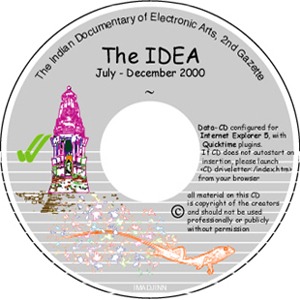
This is the fourth and final research note from Charu Maithani, one of the short-term social media research fellows at The Sarai Programme. This post looks at the various forms of distribution of web based projects starting from 2000, mapping the changing methods of reaching out and interacting with the users.
-
Call For Abstracts – The Act of Media: Workshop on Law, Media And Technology in South Asia
The Act of Media: Workshop on Law, Media And Technology in South Asia, 8th to 10th January 2016, The Sarai Programme, Centre for the Study of Developing Societies (CSDS), Delhi. Call for Abstracts The traditional understanding of ‘media law’ has gradually given way to approaches that show us that ‘law’ and ‘media’ are not separate…